Obudaka Initiative: Restoring Indigenous
Land Rights & Ecological Harmony
OUR WORK
The Obudaka Initiative is a groundbreaking collaboration
between Tupende and the indigenous people of the Island
of Idjwi, known as the PA (Pay a – French abbrev. “Peuples
Autochtones” meaning “indigenous people”). Obudaka
means “land” in Kihavu. The Obudaka Initiative is a land
initiative that aims to legally register PA land rights.
The Initiative also aims to restore the natural ecological
balance of the Kivus through rewilding efforts that
revitalize the PA’s
traditional hunter-gatherer lifestyle.
Customary vs Legal Land Rights
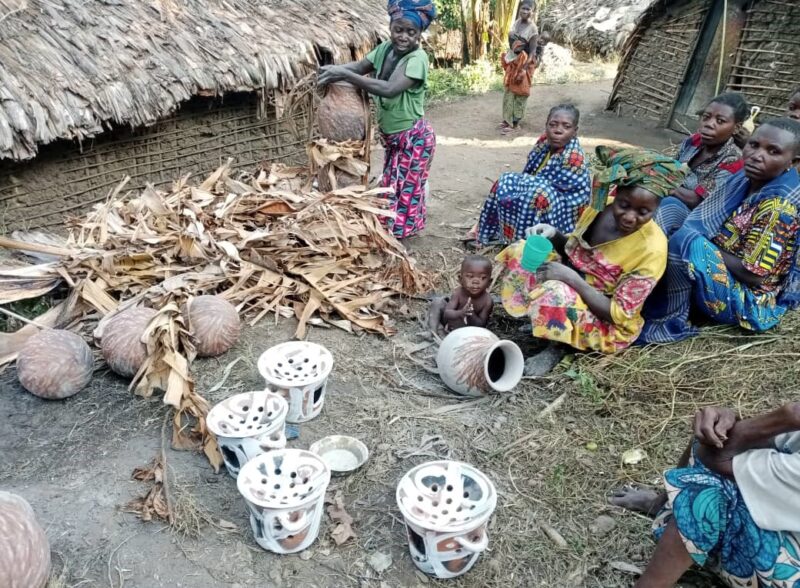
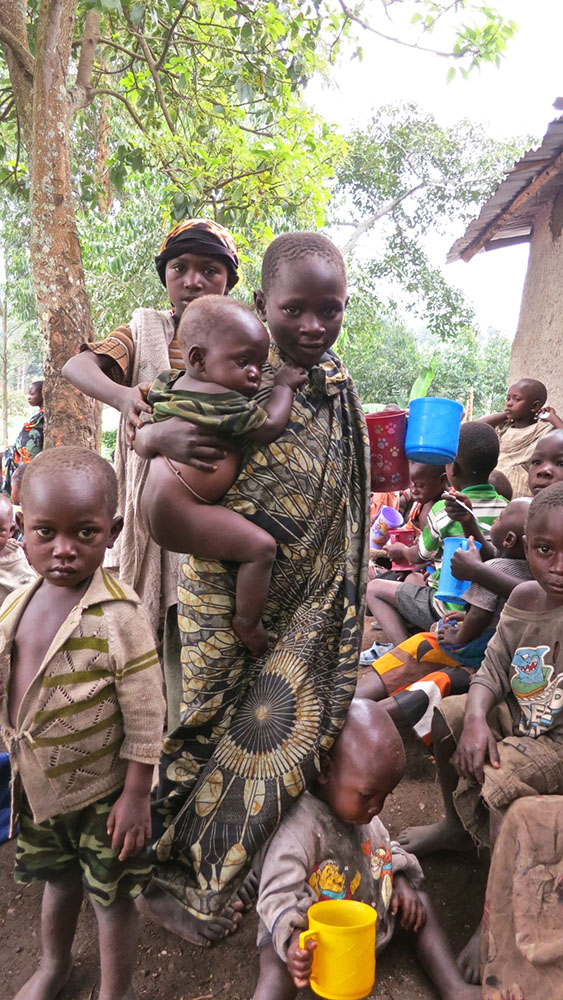
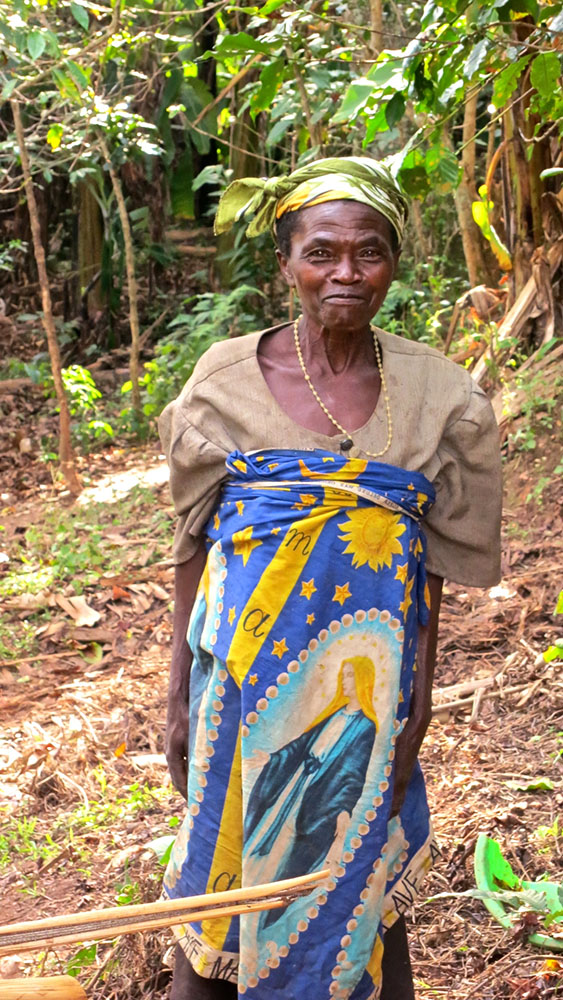
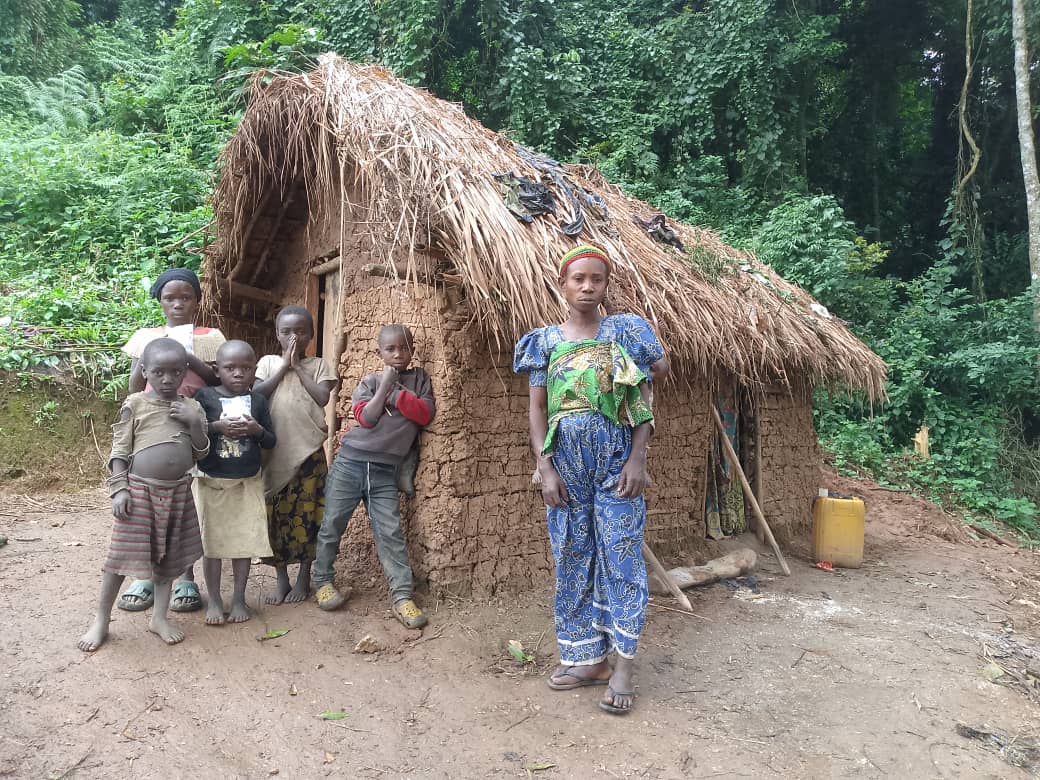
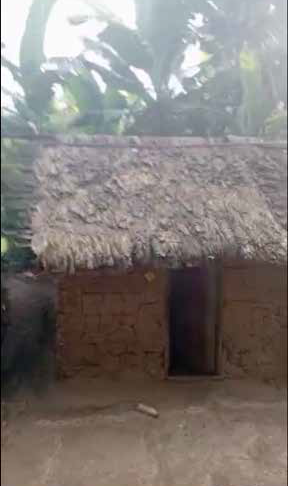
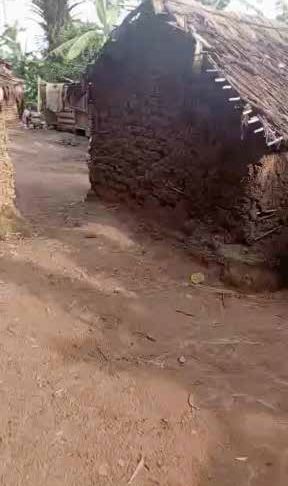
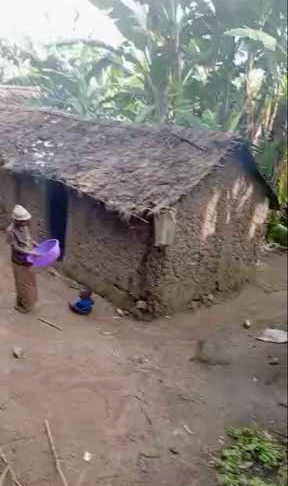
In Idjwi, few PA own land. If PA do own land, it is usually based on customary law, which is a system of rights and practices that have been established over generations. This form of ownership is often recognized by local communities but may not have formal legal backing due to the lack of official documentation. Many PA landowners cannot afford the costs associated with obtaining formal legal documentation of their property. As a result, their customary claims to the land remain unregistered in the eyes of the law, which often leads to disputes and violence. Fear of conflict and of losing their land creates an unstable environment for PA living in Idjwi.
To address these challenges, Tupende helps finance the process of obtaining legal land documentation for PA land owners.
Securing land documentation provides the PA with a sense of ownership and security but also enables them to invest in long-term agricultural projects, build sustainable homes, and access credit facilities. The Obudaka Initiative underscores Tupende’s mission to promote peace by minimizing land disputes, stabilizing community tension, encouraging economic development, and empowering PA communities to live freely.
Rewilding is our way to heal the Earth
The Importance of Rewilding
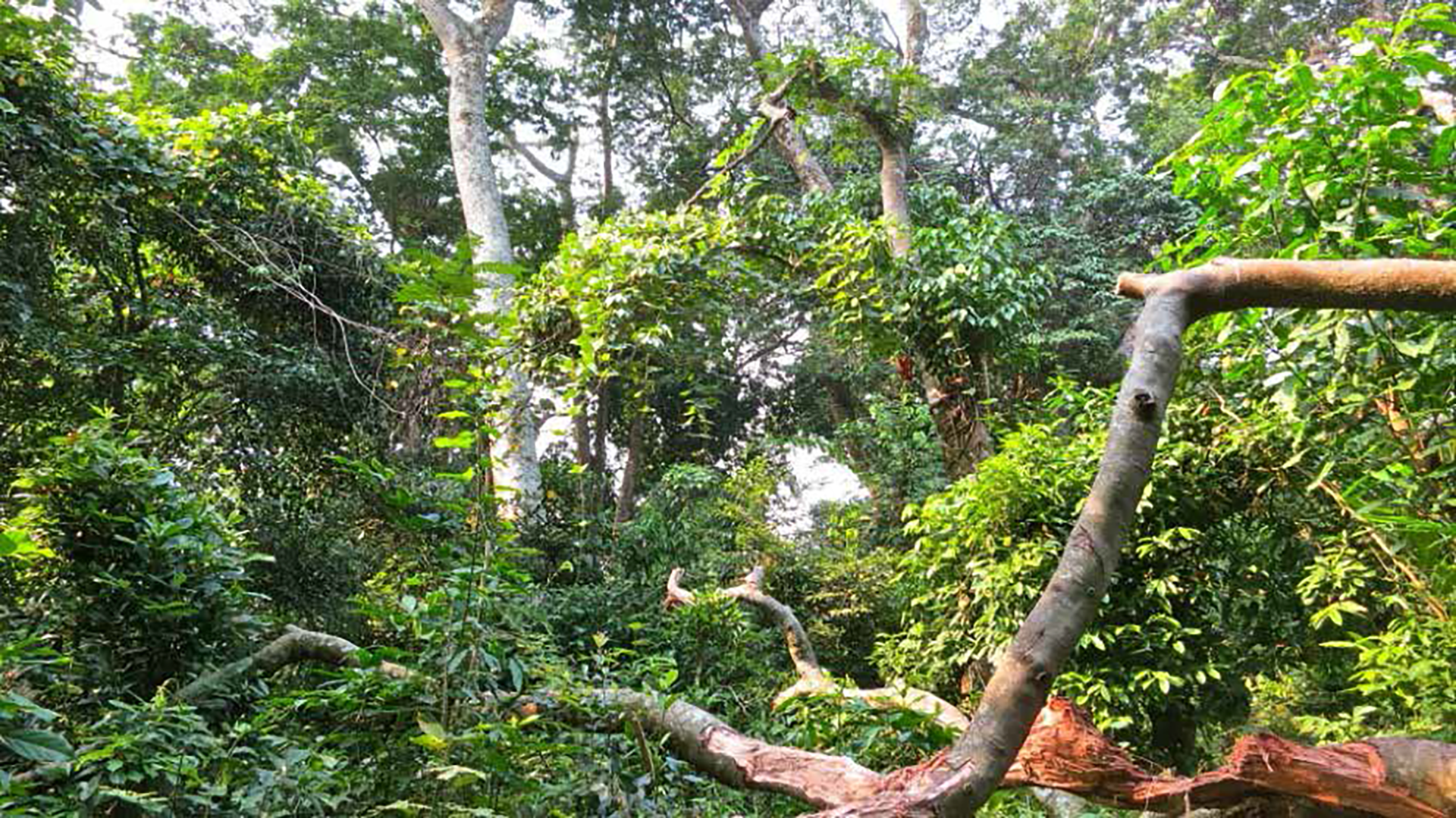
Rewilding is crucial for reinstating a healthy ecosystem that has been disrupted by human activity. It helps to restore biodiversity, combat climate change, and maintain the delicate balance of nature. For the PA, rewilding represents an opportunity to reconnect with their ancestral lands and practices, providing them with sustainable resources and food sources that have been diminished due to environmental degradation.
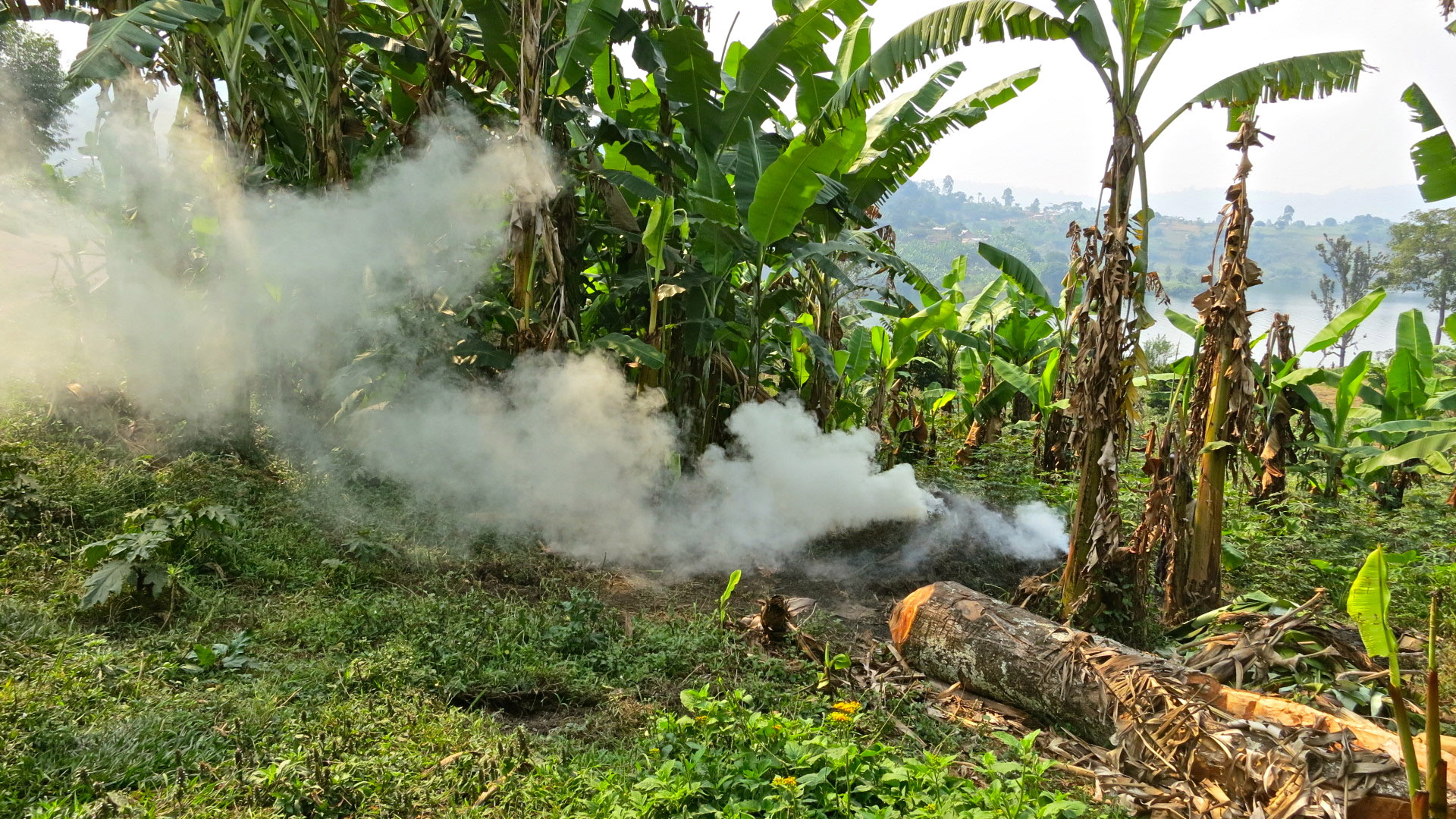
Deforestation of Idjwi
Idjwi has experienced significant deforestation driven by
agricultural expansion, logging, and development. This loss of
forest cover has severe implications not only for the people but
also for native wildlife and the soil’s health. The PA have seen a
decline in traditional game and edible plants, making it
increasingly difficult to sustain their way of life. Deforestation
has led to habitat loss for numerous species, increased soil
erosion, and reduced water quality, further threatening both
human and ecological health on the island.
Benefits of Planting Native Trees and Plants
Leveraging the indigenous wisdom of the PA by rewilding land with native trees and vegetation will cultivate a biodiverse environment where all forms of life can thrive. By reintroducing indigenous plant species, we aim to:
Restore Habitat: Provide shelter and food for native animals, encouraging the return of wildlife that plays essential roles in the ecosystem.
Enhance Soil: Health Improve soil structure and fertility, which is crucial for agricultural productivity and biodiversity.
Increase Food: Production Support the PA’s traditional practices by boosting the availability of native fruits, nuts, and other edible plants, ensuring food security for the community.
Strengthen Resilience: Build a more resilient ecosystem capable of withstanding climate fluctuations, ultimately benefiting all levels of the food chain.
The Obudaka Initiative aims to support a sustainable future for the community on Idjwi by restoring the ecological integrity of the island. This initiative honors indigenous traditions and knowledge and sets a precedent for innovative conservation efforts worldwide.
Together we can heal the land, support native wildlife, and enrich the lives of those connected to this vibrant ecosystem.