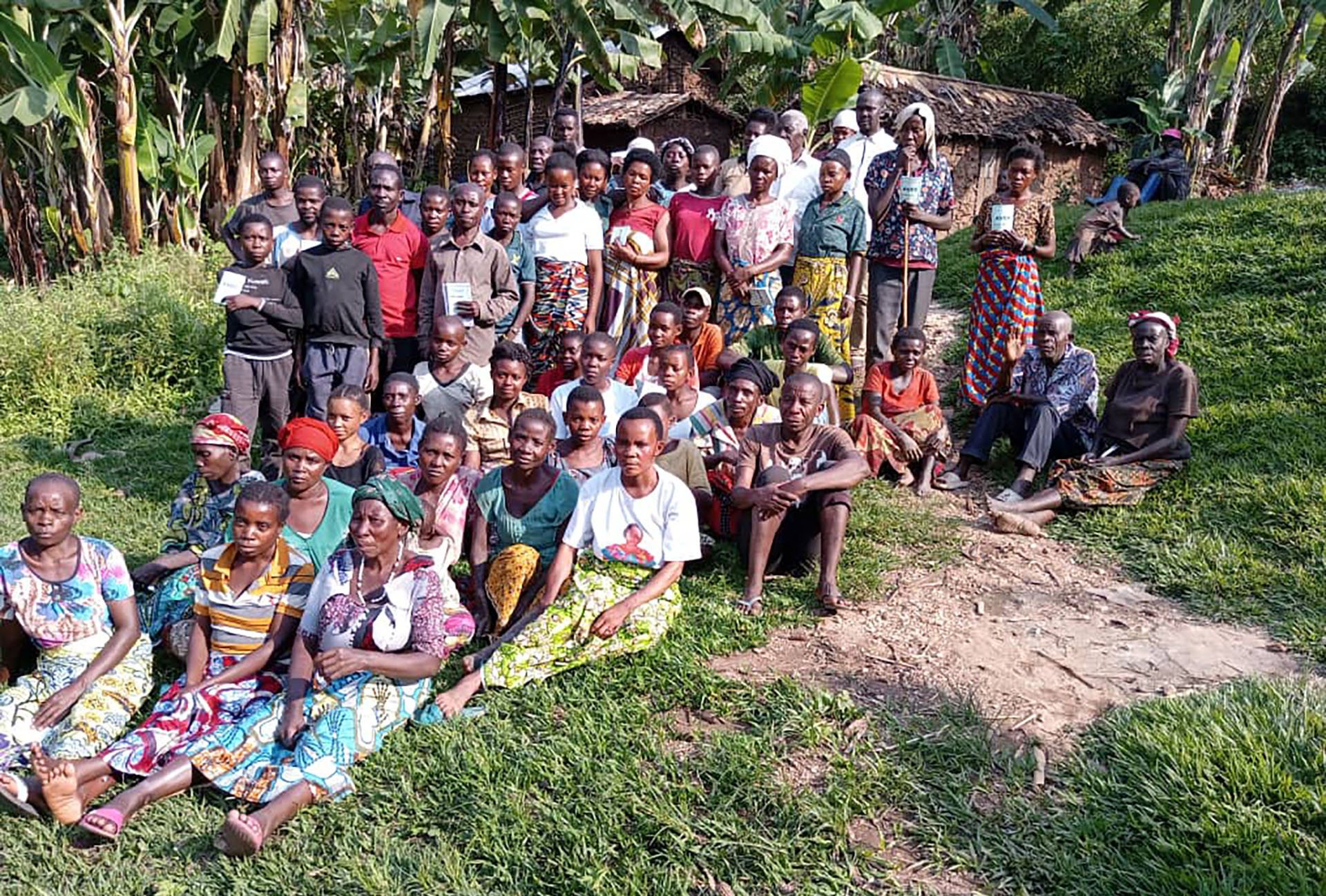
Our Idjwi CO-OP community is
committed to enhancing the
livelihoods of locals through
sustainable practices in farming,
fishing, and sewing.
This initiative aims to empower
both individuals and families
while fostering economic
growth, improving food
security, and promoting health
across the island.
Farming CO-OP
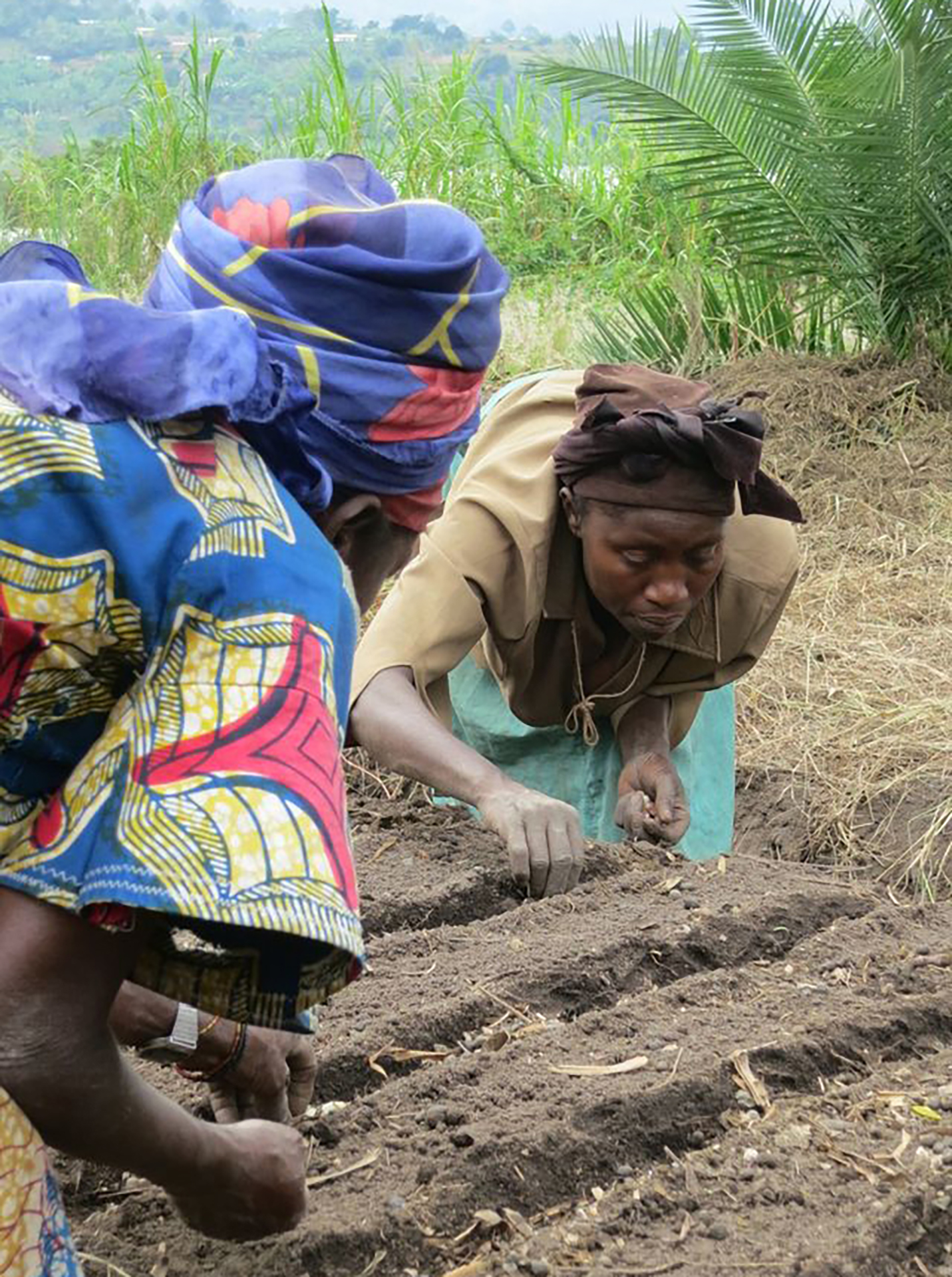
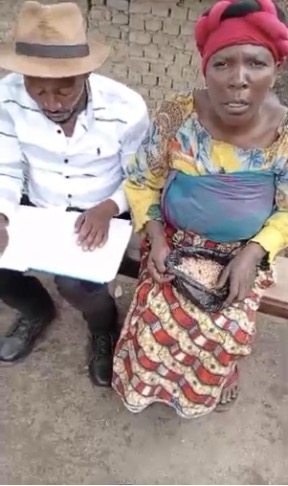
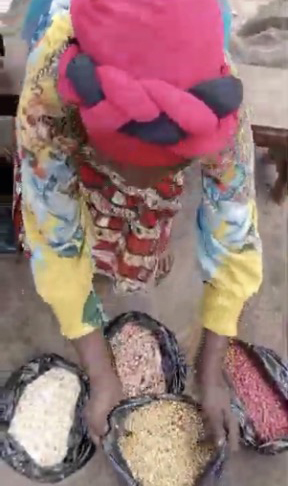
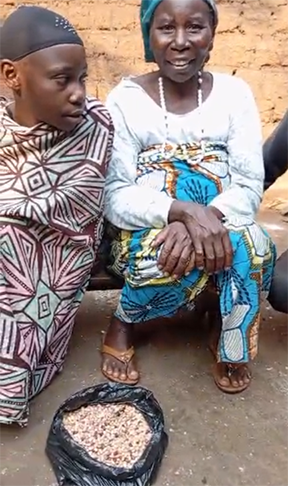
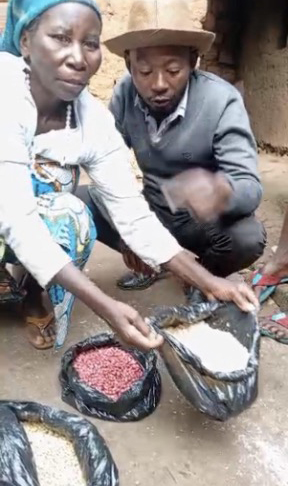
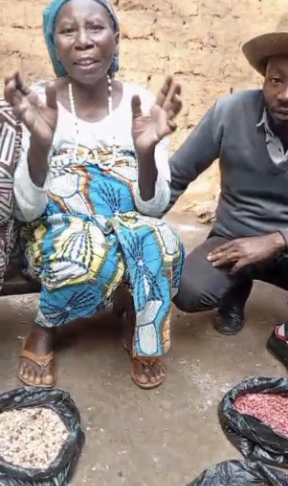
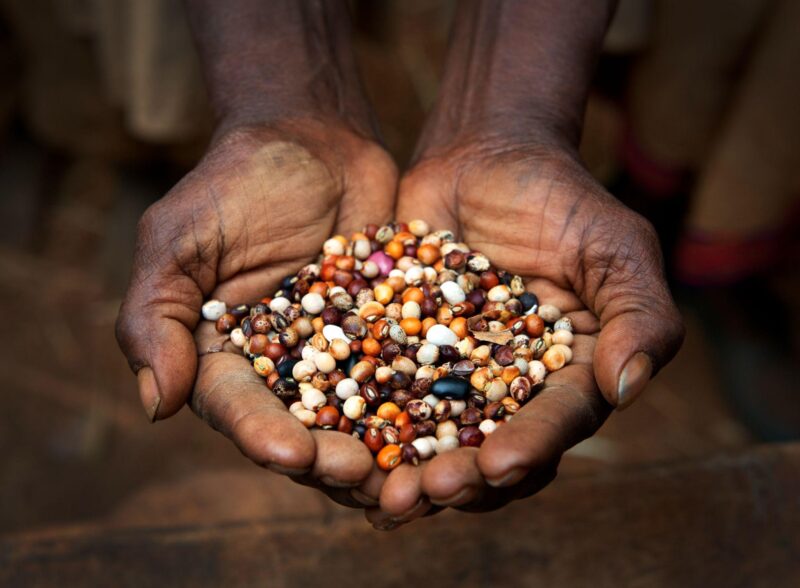
The Farming CO-OP brings together local farmers dedicated to sustainable food security. Members share resources such as tools, seeds, and knowledge, enabling them to cultivate a diverse array of crops including indigenous fruits, vegetables, and staple grains. The CO-OP focuses on organic regenerative farming techniques that are practical to implement, nutritious, enhance soil health, and protect the environment.
The decision to establish a Farming CO-OP stemmed from a desire to address food insecurity within the community. By pooling resources and knowledge, farmers can improve agricultural productivity, ensuring that all families have access to nutritious food.
Farmers grow whatever they can, with whatever they have, wherever they can, whenever they can
Increased Food Security: “Own production – own consumption” 1 With a variety of crops available to households, nutrition will improve and hunger will reduce.
Economic Opportunities: Farmers can sell surplus produce at local markets, enhancing their income potential.
Women’s Empowerment: Gardens around the home are traditionally managed by women. By using existing resources to diversify household food crops, family diets will be improved with minimal additional work.
Environmentally Friendly: Sustainable agricultural practices help preserve our ecosystem and maintain biodiversity, promoting long-term resilience.
1 Paul Sommers – Kitchen Garden Guidelines (2017): Practical guidance on designing and maintaining kitchen gardens to support nutrition, food security, and community well-being. Full guidelines available here
Fishing CO-OP
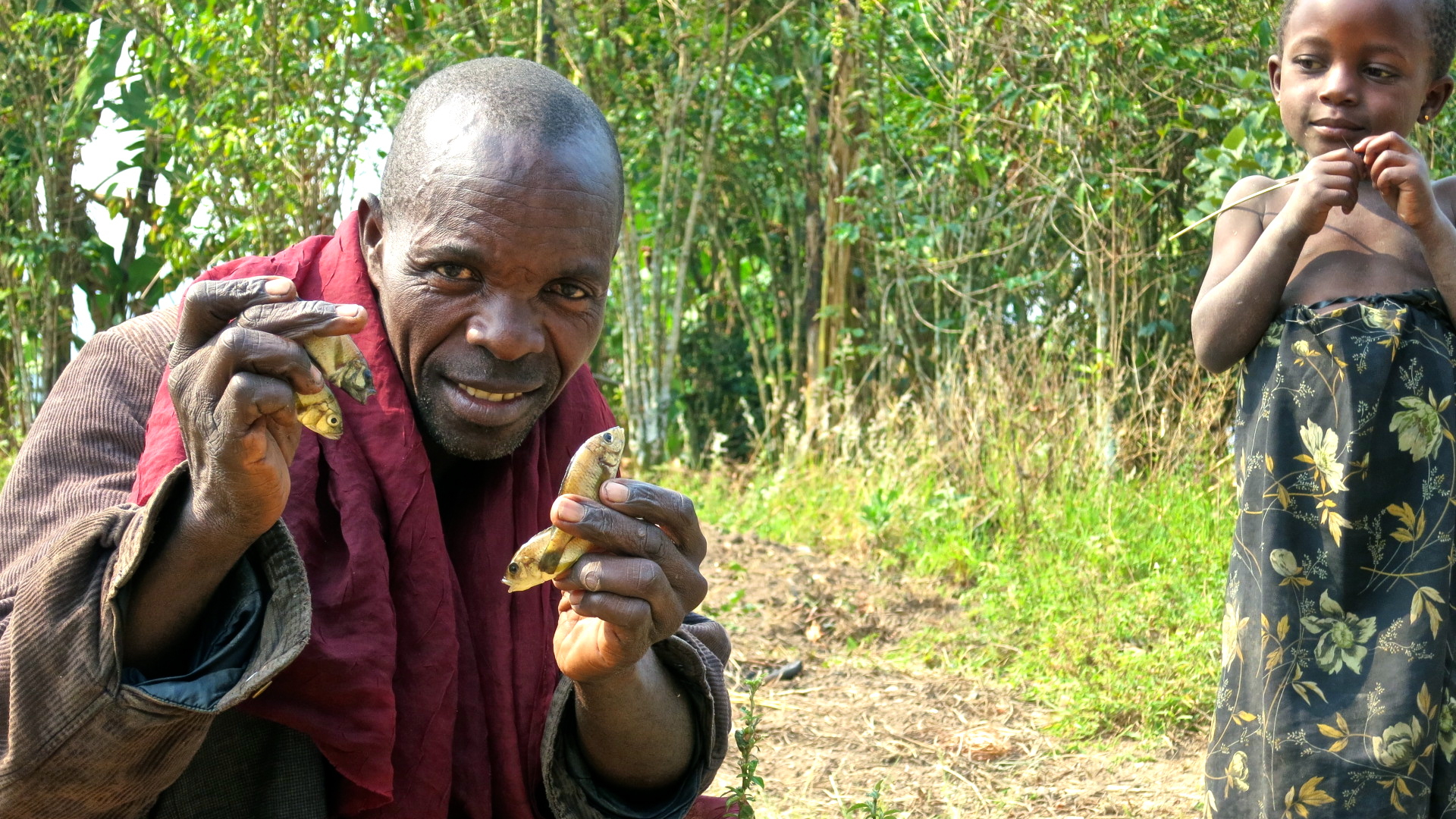
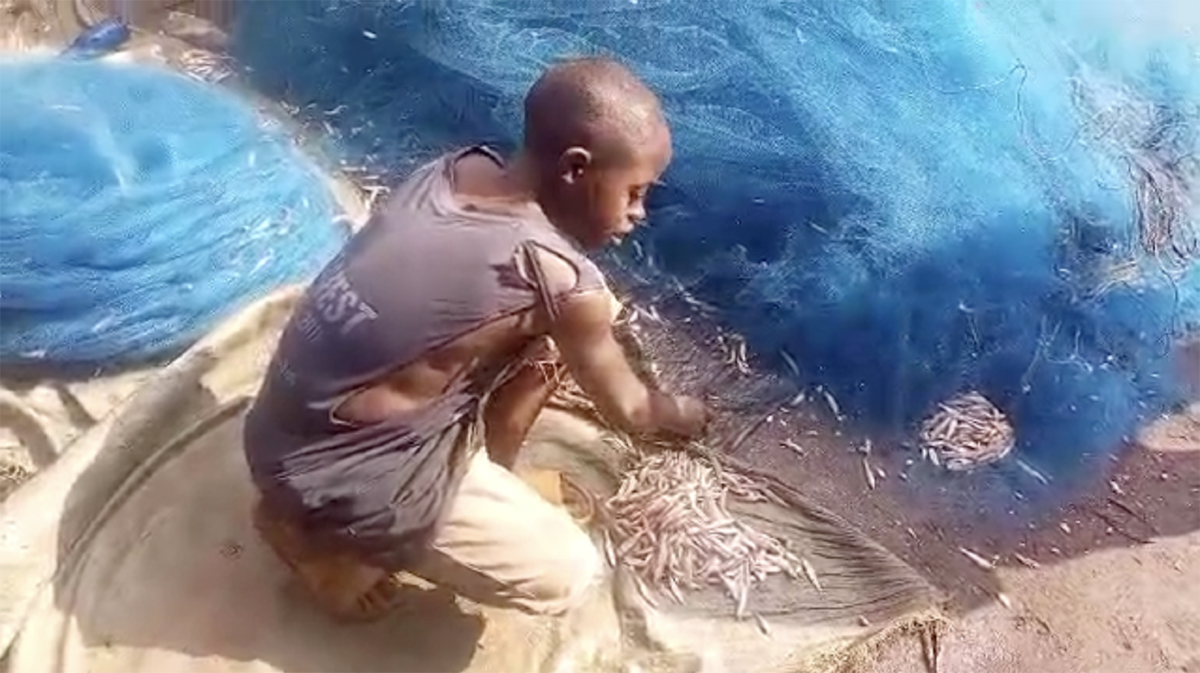
The Fishing CO-OP is a community-driven initiative focused on responsible fishing practices. Members work together to harvest fish sustainably, sharing equipment and knowledge to ensure that fish populations remain healthy.
Those who fish together
eat together
Recognizing the importance of fish as a vital protein source, the community established the Fishing CO-OP to promote sustainable practices. The goal is to ensure that local waters remain productive for generations to come.
Food Production: Increased fish availability enriches local diets, reducing malnutrition.
Sustainable Livelihoods: By practicing responsible fishing, community members can maintain a reliable source of income.
Strengthened Community Bonds: The collaborative nature of the CO-OP fosters camaraderie and shared responsibility among local fishermen.
Sewing CO-OP
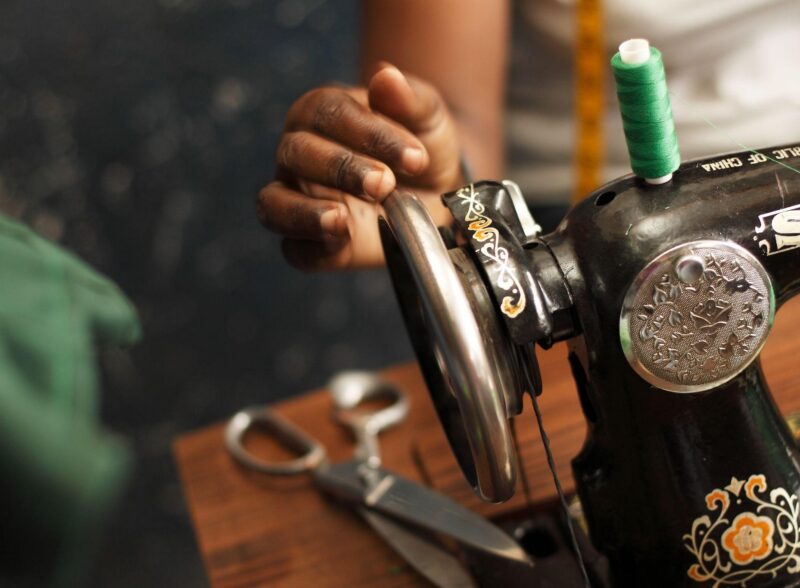
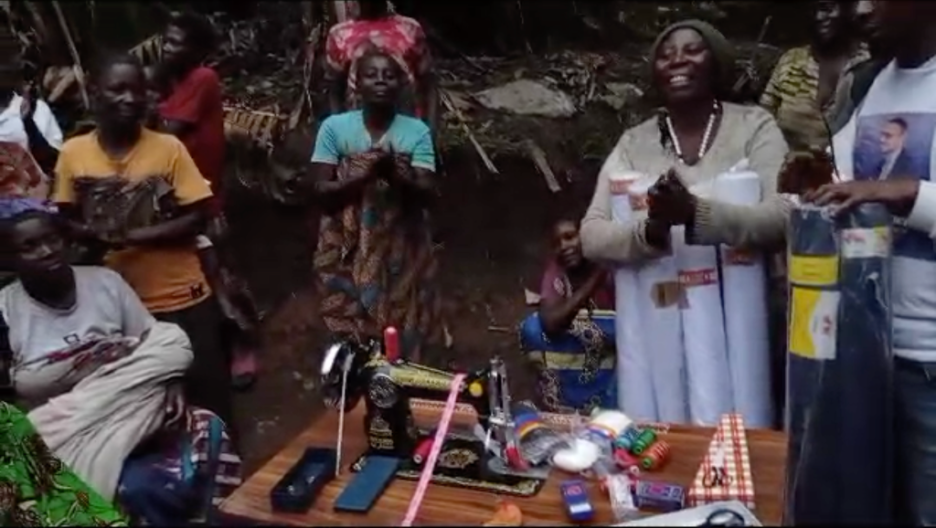
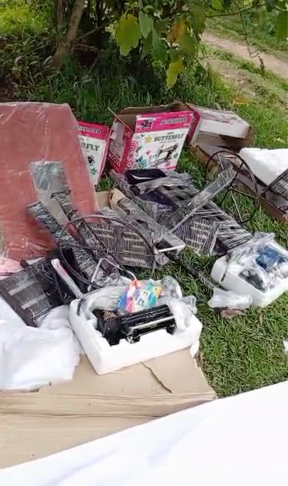
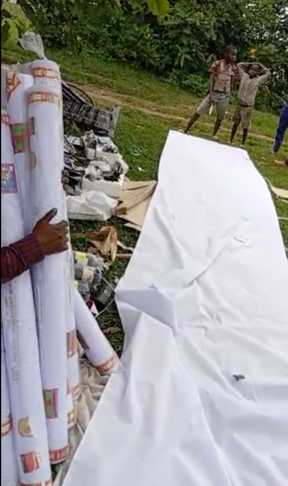
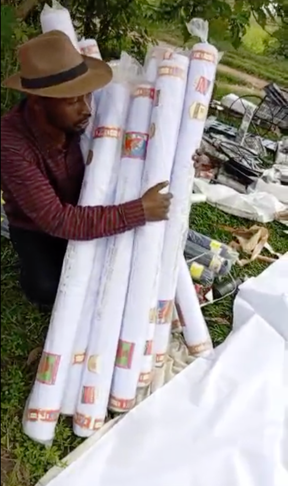
The women-led Sewing CO-OP provides a platform for seamstresses and tailors to collaborate and create high-quality textiles and garments. Members learn from each other, share supplies, and collectively market their products. The focus is on using local fabrics and traditional designs to celebrate indigenous heritage.
Sewing mends the soul
The Sewing CO-OP was formed to train and harness local talent and creativity. The aim is to clothe the community and generate income through the sale of handmade goods while preserving cultural art & design.
Access to Affordable Clothing: Community members gain access to affordable, locally made clothing, improving overall well-being.
Cultural Preservation: The CO-OP supports traditional artistry, fostering pride in Congolese heritage.
Job Creation: By pooling skills, more individuals can find stable work, reducing poverty levels.
By establishing CO-OPs, the community is taking steps to build a resilient economy on the island and combat hunger, poverty, and disease.