


Threads of Empowerment
Why Sewing Machines Matter
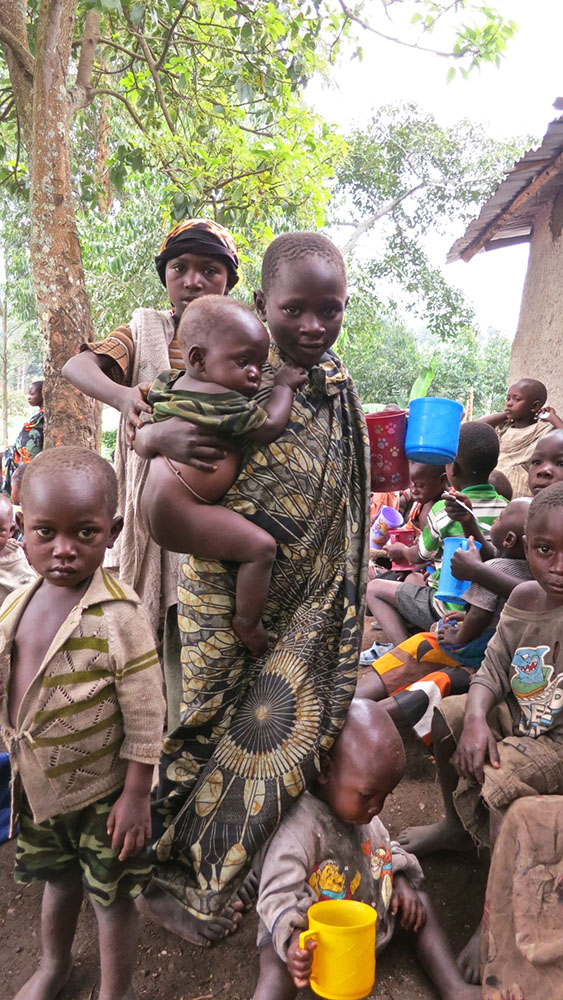
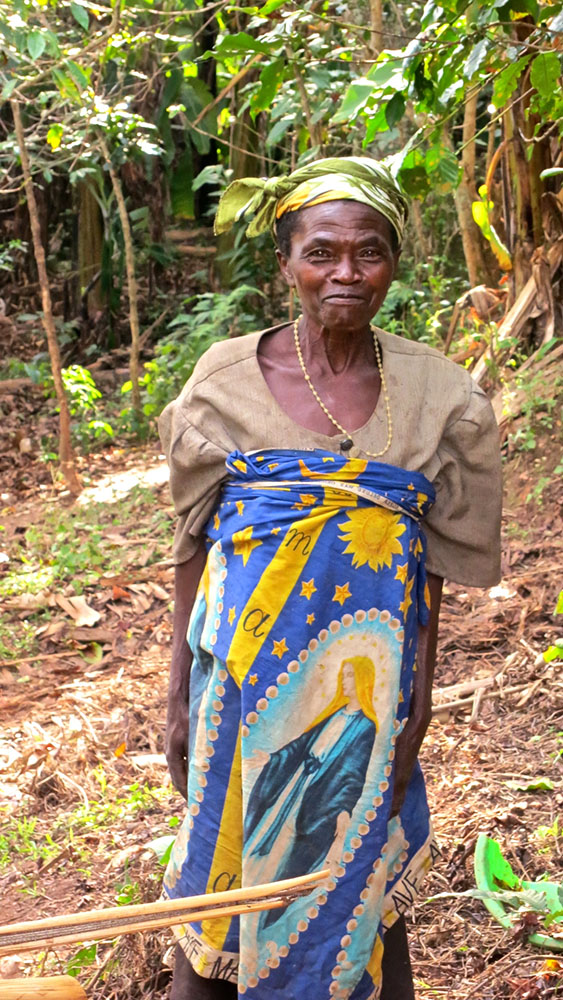
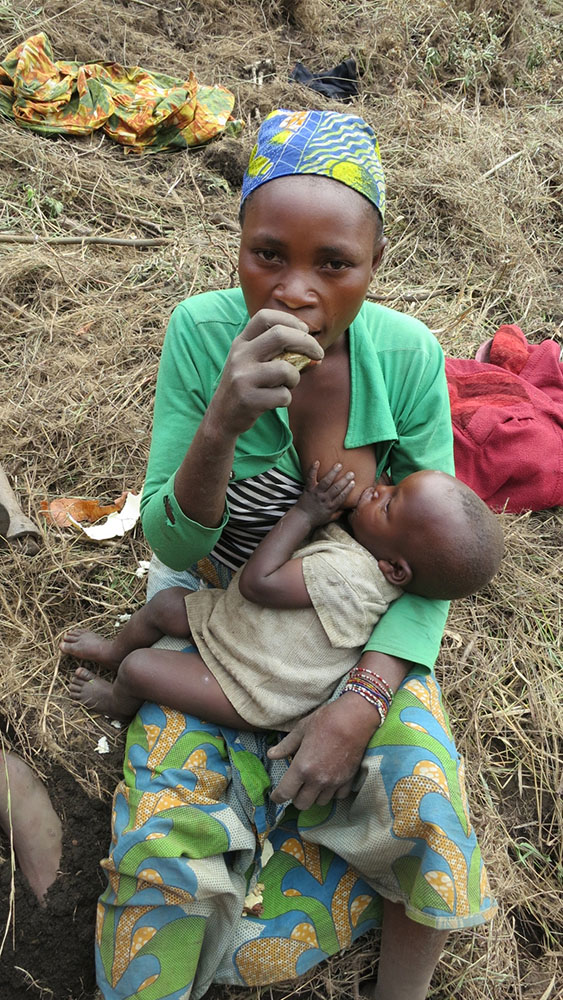
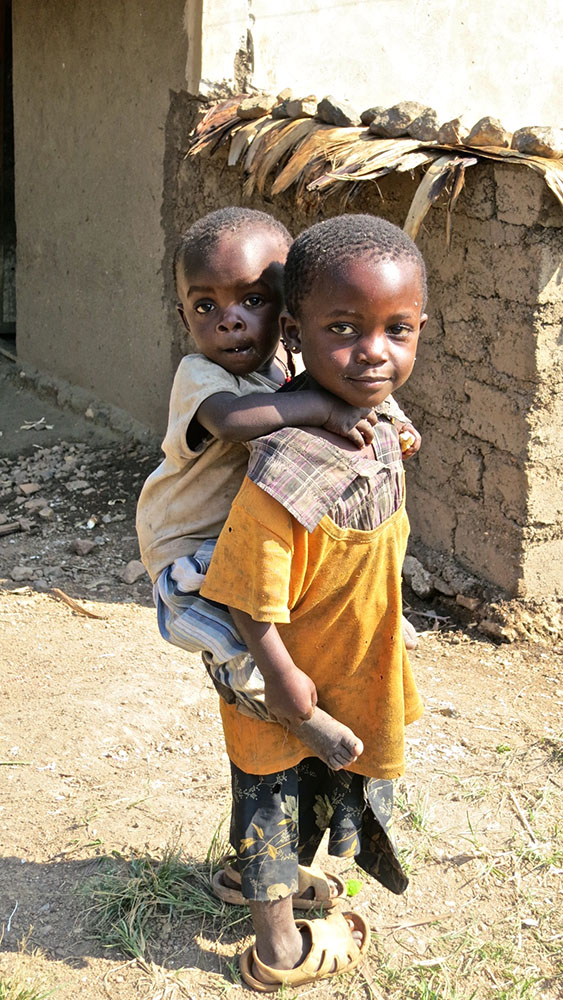
Clothing is more than just a basic need—it is a means of dignity, self-expression, and empowerment. Many families on the island cannot afford proper clothing or school uniforms for their children, which often prevents children from attending school. Lack of access to clothing is one of the most frequently cited challenges faced by the people of Idjwi.
How You Can Help
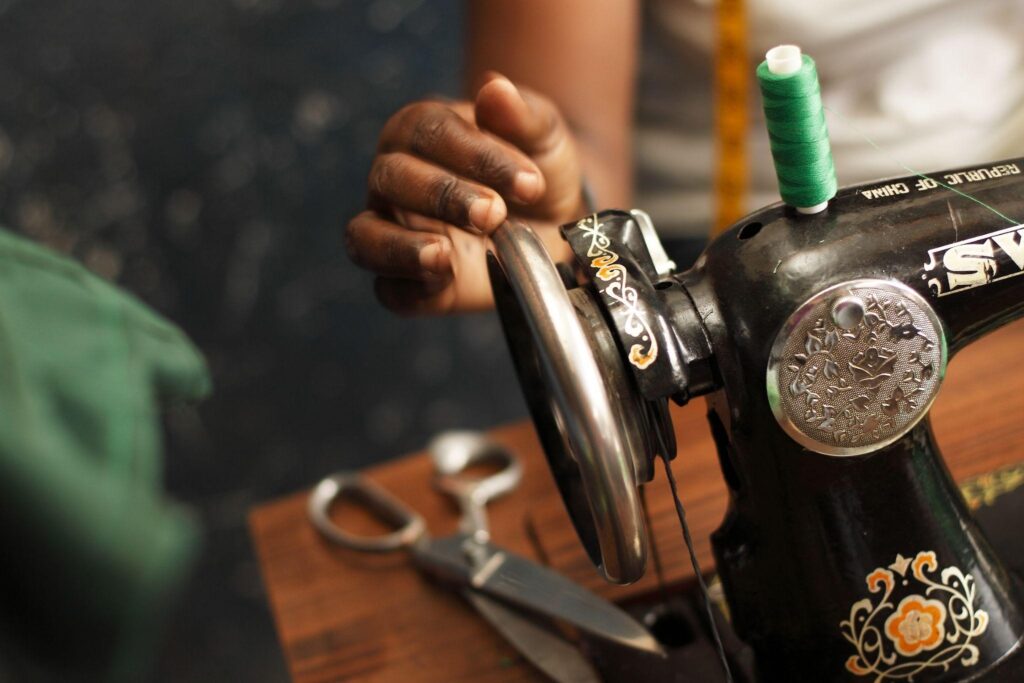
We are raising funds to provide 5 sewing machines for a women-led sewing cooperative on Idjwi Island. These machines will enable communities to:
Create their own clothing reducing their dependence on expensive imported goods.
Sew school uniform for their children, so they can pursue an education.
Learn a valuable skill that empowers them to earn a living and support their families.
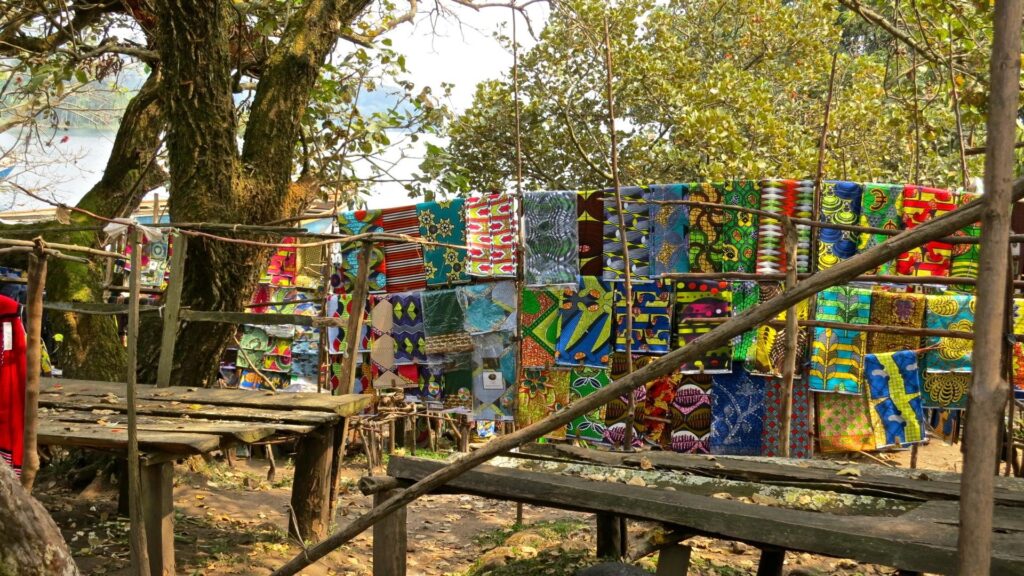
Express their creativity through traditional and modern designs, preserving their cultural identity while embracing new opportunities.
Our goal is to raise funds to purchase essential equipment and supplies that will enable these talented women and men to create clothing, generate income, and support their community.
The Numbers:
Item | Unit Cost | Units | Cost |
Sewing machine | $85 | 5 | $425 |
Machine stand | $75 | 5 | $375 |
Assembly | $5 | 5 | $25 |
White fabric | $350 | 5 | $1750 |
Blue fabric | $370 | 5 | $1850 |
Tools* | $300 | 5 | $1500 |
Transportation** | $214 | 1 | $214 |
TOTAL | $6139 | ||
* Tools include needles, thread, scissors, chalk, pins, patterns, etc.
** Transportation includes 2 round trip tickets to the mainland, petrol for transportation, fees
Investing in women has a profound ripple effect on households and communities
This fundraiser is about more than just sewing machines—it’s about transforming lives and fostering peace and prosperity in the Kivus. Investing in women has a profound ripple effect on households and communities. It is not just a matter of equity; it is a powerful strategy for economic development. When women have access to financial resources, education, and economic opportunities, they tend to invest their earnings into their families and local communities in the following areas:
Prioritizing Children’s Education
Women often prioritize spending on their children’s education. Studies have shown that when women control household income, they are more likely to invest in their children’s schooling. In many cultures, mothers will allocate a portion of their earnings towards school fees, uniforms, and supplies, ensuring that their children receive a better education. For instance, a study in Bangladesh found that when women had more autonomy over their finances, there was a significant increase in their children’s school attendance (Malik, 2016).
Health and Nutrition
Women are typically the primary caregivers and decision-makers regarding family health and nutrition. Financial independence allows them to purchase healthier food and seek medical care when needed. In India, it was observed that when women participated in income-generating activities, families tended to have better nutritional outcomes as women invested earnings in nutritious food and healthcare for their children (Smith et al., 2003).
Community Development
Women frequently engage in community-building activities, such as organizing local events or participating in cooperatives. Increased financial resources empower them to take on leadership roles and initiate community projects. In sub-Saharan Africa, women’s savings groups have proven effective in mobilizing resources for community development projects like clean water initiatives or health clinics. When women have funds, they can lead these initiatives, benefiting the entire community (Kabeer, 2005).
Economic Stability
When women earn money, the overall economic resilience of the household improves. Households become less vulnerable to economic shocks, and women often save and invest in small businesses. In microfinance programs across various countries, women who receive loans tend to use the money to start or expand small businesses, which not only increases their family’s income but also creates job opportunities for others in the community (Duflo, 2012).
Emotional Well-being and Empowerment
Financial independence contributes to greater self-esteem and decision-making power for women, which has cascading effects on family dynamics and community engagement. Research indicates that when women have control over financial resources, there is often a reduction in domestic violence and an increase in overall household harmony (World Bank, 2012).
By empowering women we create a cycle of investment that benefits not only families but entire communities.
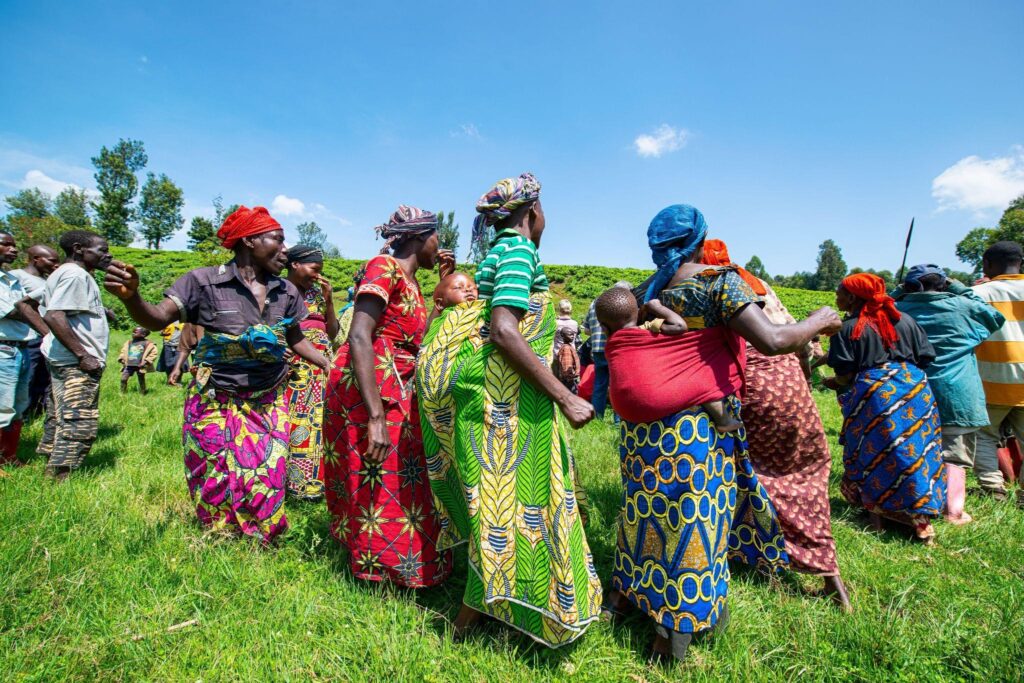
By supporting this initiative, you are:
Empowering Women: Providing women with the tools to become self-reliant and financially independent.
Supporting Children: Ensuring children have the uniforms they need to attend school and build a brighter future.
Strengthening Households: Creating jobs and steady income improves the lives of everyone in the household.
Promoting Peace: Economic empowerment reduces poverty and inequality, which are often root causes of conflict in the Kivus.
Join Us in Making a Difference
Your contribution will directly impact the lives of these incredible women and their families. Together, we can help them stitch a future filled with hope, dignity, and opportunity.
Donate Today and be a part of this transformative journey. Every dollar brings us closer to our goal of providing 5 sewing machines and empowering the women of Idjwi Island.
#SewingProsperity #IdjwiCOOP #IdjwiThrive #SupportIndigenous #WomenLed #COOP
References:
Duflo, E. (2012). Women Empowerment and Economic Development. Journal of Economic Literature.
Kabeer, N. (2005). Gender Equality and Women’s Empowerment: A Critical Analysis of the Third Millennium Development Goal. Gender & Development.
Malik, N. (2016). The Role of Women in Poverty Alleviation. Bangladesh Journal of Political Economy.
Smith, L. C., Ramakrishnan, U., Ndiaye, A., & Haddad, L. (2003). The importance of women’s status for child nutrition in developing countries. Food and Nutrition Bulletin.
World Bank. (2012). World Development Report 2012: Gender Equality and Development.